 Skip to content
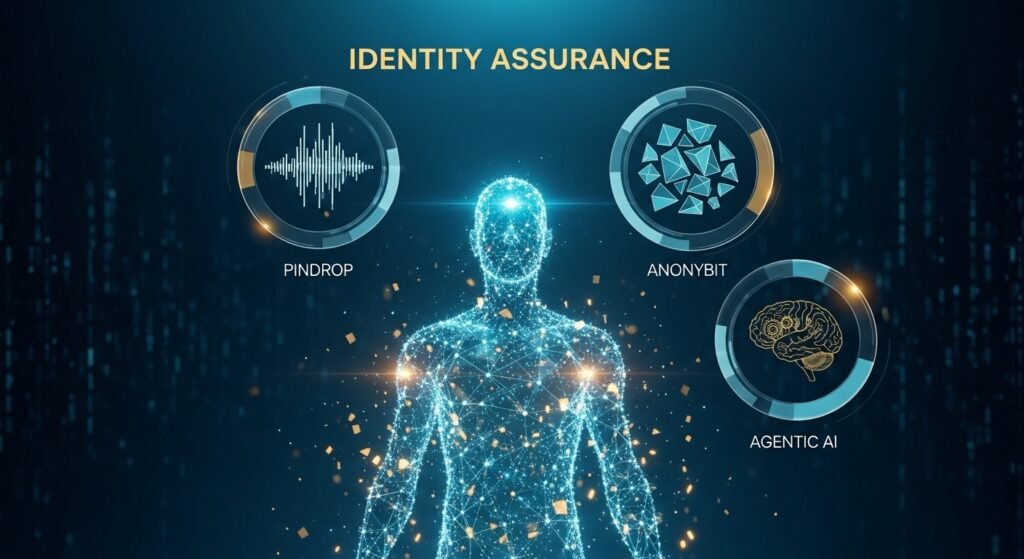
We are living through a massive change in how machines work. It used to be all about Generative AI. That tech was cool because it could make text or pictures. Now, we have entered the age of Agentic AI. This means AI can actually do stuff for you. It is like having a digital helper that works on its own.
The Dawn of the Agentic AI Era
Agentic AI is a huge step up from older systems. These new agents are built to chase goals with very little help from people. They do not just wait for you to type a prompt. They can look at a problem and find the best way to solve it. This makes them way more powerful than a basic chatbot. We are seeing these agents show up everywhere in our lives.
Defining the Shift from Generative AI
The move to Agentic AI is a total game changer. Generative AI was mostly about making things like stories or art. It was fun, but it did not really “do” tasks in the real world. Agentic AI is different because it has agency. It can make decisions and take actions on its own. This shift means we are trusting machines with more important work.
The Power of Agency in AI
These autonomous agents are getting some serious responsibilities. They can manage your money and stock portfolios without you watching. They can also dive into your private medical records to help doctors. Some agents even execute big financial transactions for companies. This level of trust makes things very easy and fast. It saves a ton of time for busy people.
The Paradox of Convenience and Security
While these agents are great, they have a scary side. If an AI can act like a person, bad guys can use it. A hacker might trick an AI into thinking they are the owner. This creates a new way for people to get robbed. The same agency that makes AI helpful also makes it a target. We need to make sure these agents only listen to the right person.
The Growing Deepfake Landscape and Identity Vulnerabilities
Deepfakes are getting much better every single day. Scammers are using AI to make fake videos and voices. These fakes look and sound just like real people. It is becoming a huge crisis for our digital world. If we cannot tell what is real, we are in trouble. This is why the agentic ai pindrop, anonybit stack is so important.
The Sophistication of Synthetic Media
Generative models are now incredibly smart and fast. They can clone a voice so well it fools your own family. Video deepfakes can make it look like a boss is talking. This tech used to be hard to use. Now, almost anyone with a computer can make a deepfake. This makes the internet a very confusing place to be.
The “Five-Second” Threat to Your Identity
You do not need to record hours of audio anymore. A scammer only needs a few seconds of your voice. They can grab this from a video you posted online. Once they have that clip, they can make you say anything. They use this “clone” to call your bank or your AI. It is a very fast way to steal an identity.
Social Engineering 2.0 and AI Assistants
Scammers are getting very sneaky with their new tools. They might call your personal banking bot using your voice. Since it sounds like you, the bot might move your money. This is a new kind of social engineering. It bypasses the human element of security entirely. It is a terrifying way to lose your savings.
Why Traditional Security is Failing
Passwords and PINs are just not enough these days. Even 2FA codes sent to your phone can be hacked. If a deepfake is good enough, it can trick many systems. We need a way to verify who someone is biologically. Relying on secrets you know is a thing of the past. We need security that cannot be guessed or copied.
The Pillars of Modern Identity Assurance: Agentic AI, Pindrop, and Anonybit
To fix this, we need a special mix of tech. The phrase agentic ai pindrop anonybit shows us the way. These three things work together to build a strong shield. They handle everything from doing tasks to checking identities. This is the new frontier for keeping your data safe. It is a complete system for the modern world.
The Concept of a Unified Security Stack
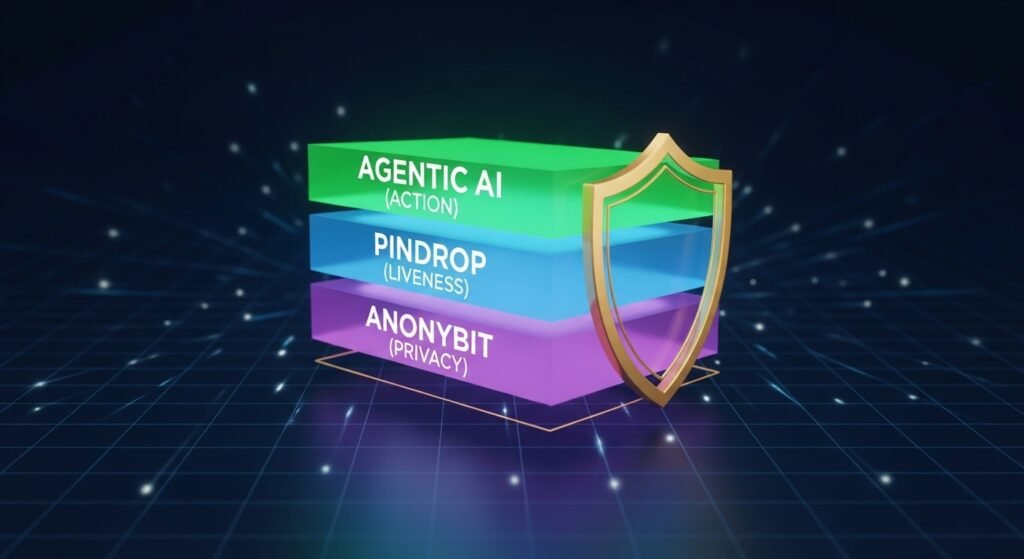
Using just one tool is not going to work anymore. You need a stack of different layers to be safe. Each layer handles a different part of the problem. One layer does the work, and another checks the person. A third layer hides the data so it stays private. This unified approach is much harder for hackers to beat.
Identity Assurance vs. Authentication
There is a big difference between these two ideas. Authentication is just checking a password or a code. Identity assurance is making sure the person is actually there. It focuses on who you are as a living being. This is way more secure than just checking a secret. It is the only way to beat high-tech deepfakes.
The Collaborative Framework of the Future
This new framework is all about teamwork between machines.
- Autonomous Action allows the AI to handle your busy work.
- Liveness Detection makes sure a real human is talking.
- Decentralized Privacy keeps your sensitive info in many pieces. This triad is the best defense we have right now. It solves the deepfake crisis by being smarter than the fakes.
Pindrop: The Frontline Defense Against Voice Synthesis
Pindrop is a world leader in making sure voices are real. They protect some of the biggest banks on the planet. In our security stack, they are the gatekeepers. They listen to the audio to find any signs of a fake. This is the first step in stopping a voice scam. They are like a digital detective for your ears.
The Science of Voice Security
Deepfakes might sound perfect to you or me. But Pindrop’s tech sees things that humans cannot hear. It looks at the tiny details in the sound waves. Machines make sounds differently than human lungs and throats. Pindrop finds these small clues to catch the fakes. It is a very advanced way to stay safe.
Pindrop’s “Pulse” and Liveness Detection
Pindrop has a special product called “Pulse”. It analyzes audio at a microscopic level to find artifacts.
- Biological Imperfections are found in every real human voice.
- Digital Artifacts are the tiny errors left by AI voice makers.
- Real-time Analysis happens while the person is still speaking. This lets the system stop a fake before it does damage. It answers if the voice is from a living person.
Protecting High-Value Enterprises
Pindrop is not just for small apps or fun. They protect the world’s largest banks and insurance firms. These companies have billions of dollars at risk every day. They trust Pindrop to keep the scammers out of their systems. By using this tech, they stop millions of dollars in fraud. It is a proven way to defend big institutions.
Anonybit: Revolutionizing Biometric Privacy and Storage
While Pindrop checks the voice, Anonybit hides the data. We need to store voice prints to check identities. But storing them in one place is very dangerous. Anonybit changed how we think about storing this info. They make sure your identity cannot be stolen even if hacked. This is a huge win for personal privacy.
The Danger of Centralized Databases
Most companies store all their data on one big server. This is called a “honey pot” because it attracts hackers. If that one server gets hit, everyone’s data is gone. You cannot change your voice or your face like a password. Once biometrics are stolen, they are gone for good. This is a massive risk for everyone online.
Decentralized Biometrics and Sharding Technology
Anonybit uses a very cool trick called “sharding”.
- Breaking Data means your voice print is cut into tiny bits.
- Cryptographic Shards are these pieces of data made into code.
- Distributed Storage puts these pieces on different servers. No single server has your whole identity on it. This makes it much harder for a hacker to win.
Zero-Knowledge Architecture
This system uses something called “Zero-Knowledge” tech. It means the system can prove it is you without seeing you. It matches the shards without ever putting them back together.
- Private Verification happens behind the scenes in milliseconds.
- No Reassembly ensures your raw data is never exposed.
- Mathematically Impossible for a hacker to steal your whole identity. It is the gold standard for keeping your biometrics safe.
The Integrated Workflow: A Three-Step Security Protocol
The real magic happens when you use all three together. The agentic ai pindrop anonybit workflow is very smooth. It creates a three-step path for every big transaction. This keeps you safe without making things hard to use. It is the future of how we will interact with tech. It is fast, easy, and very secure.

Step 1: The Autonomous Trigger (Agentic AI)
Everything starts with your AI agent getting a command. You might say “Pay my rent” or “Send money”. The agent knows this is a high-risk move. Instead of just doing it, the agent pauses the action. It asks for a quick voice confirmation from you. This is the first guardrail in the system.
Step 2: The Liveness Analysis (Pindrop)
As you speak to confirm, Pindrop jumps into action. It scans the sound of your voice in real time. This checks to see if the sound is coming from a human throat. It makes sure it is not a recording or a deepfake. This happens in a tiny fraction of a second. If the voice is “live,” it gives the green light.
Step 3: The Identity Verification (Anonybit)
Once we know the voice is live, we need to know it is yours. Anonybit checks the voice against the shards in its network. It confirms that the “live” voice belongs to the owner. Since the data is decentralized, it is totally private. Once this is done, the AI agent finishes the task. You are safe and your task is done.
The Future of Digital Trust in a Synthetic World
We are entering a time where the internet is “noisy”. There will be a lot of fake stuff mixed with real stuff. Knowing what to trust will be the biggest challenge for us. Tech like agentic ai pindrop, anonybit will be the answer. It helps us build a world where trust is built-in. We can move forward without being afraid of fakes.

Identity in the “Noisy” Internet
In the next few years, deepfakes will be everywhere. Businesses and governments will struggle to keep up. We will need a new way to prove who we are online. Digital trust will be based on “Identity Assurance”. This means using secure tech to prove you are really you. It will be the only way to stay safe in a fake world.
Regulatory and Liability Shifts
Governments around the world are starting to pay attention.
- EU and US Laws are being written to handle AI failures.
- Strict Liability means companies are responsible for losses.
- Identity Theft Protection is now a legal requirement for many. If a company’s AI loses money to a fake, they have to pay. This makes good security a must-have for every business.
Technology as the Only Viable Insurance
For big companies, this tech is like an insurance policy. You cannot just hope that you won’t get hacked. You need a system that can actually prove liveness and privacy. Adopting the agentic ai pindrop, anonybit stack is the smart move. It protects the company and the customers at the same time. It is the best way to manage risk today.
Conclusion: Building an Obsolete Era for Identity Theft

The deepfake crisis is not something we just have to live with. It is just a new battle in a long technological arms race. While bad guys use AI to lie, we use AI to find the truth. By using Pindrop and Anonybit, we build a better shield. We can enjoy all the perks of AI without fear. It is a bright future for our digital lives.
We can now use autonomous agents to save us time and effort. We don’t have to worry about our identities being stolen easily. Layering liveness checks over decentralized privacy is the key. This makes traditional identity theft a thing of the past. We are building a world where your identity is truly yours. It is a safer, smarter way for all of us to live.
FAQs
What exactly makes an AI agent “agentic” compared to standard AI?
Standard AI typically responds to specific prompts one at a time. Agentic AI is different because it has the autonomy to plan and execute multi-step tasks to achieve a goal. It can make decisions, access external tools, and correct its own errors without a human guiding every single click or keystroke.
How does Pindrop detect a voice clone if it sounds identical to a human?
Even if a voice clone sounds perfect to our ears, the way it is created is digital. Pindrop looks for “synthetic signatures” or digital noise that occurs when an AI generates sound waves. Humans create sound through biological vibrations in the throat and lungs, which have natural inconsistencies that machines currently cannot perfectly replicate.
Is my biometric data stored in the cloud with Anonybit?
No, Anonybit does not store your actual biometric image or recording in any central cloud. Instead, it uses sharding to break your data into tiny cryptographic pieces. These pieces are stored across different locations, so even if a hacker gets into one part of the system, they never see your whole face or voice print.
Can Agentic AI be used to fight deepfakes on social media?
Yes, Agentic AI can be programmed to act as a digital watchdog. These agents can automatically scan social media platforms, use liveness detection tools like Pindrop to identify synthetic content, and flag or remove it before it goes viral.
What happens if the Pindrop system makes a mistake and blocks a real person?
This is known as a false rejection. Most high-security systems have a backup plan. If the liveness detection is unsure, the Agentic AI will trigger a secondary verification step, such as a video call with a human agent or a physical security key, to ensure the user isn’t locked out.
Why is sharding better than encrypting a database?
Encryption hides data, but if a hacker steals the “key,” they can unlock the entire database. Sharding is safer because the data is physically and digitally split apart. There is no single “key” that can put the whole identity back together in one place, making it a much tougher target for cybercriminals.
Will these technologies make passwords completely obsolete?
Eventually, yes. Passwords are often the weakest link in security because they can be guessed or stolen. As biometric liveness detection becomes more common, your physical presence and unique biological traits will become your primary way to access accounts.
How does a decentralized network stay fast during verification?
Anonybit’s network is optimized for speed. Even though the data is in pieces across different nodes, the mathematical matching happens in milliseconds. It is designed to be just as fast as traditional login methods but much more secure.
Can a deepfake video fool the Pindrop and Anonybit system?
Pindrop focuses specifically on the audio “liveness” of the interaction. Even if a video looks real, if the audio is synthetic, the system will flag it. When combined with Anonybit’s decentralized biometric checks, it creates a defense that is very hard for any video-only deepfake to bypass.
What is “Zero-Knowledge” architecture in simple terms?
Imagine you need to prove you are over 21 to enter a club. Instead of showing your ID with your address and birthdate, a machine just gives the bouncer a “Yes” or “No” signal. Zero-Knowledge means the system proves you are the right person without actually “knowing” or seeing your private data.
Is this security stack expensive for small businesses to use?
While these tools were first used by big banks, they are becoming more accessible. Many AI platforms are starting to integrate liveness detection and decentralized storage as standard features, making it easier for smaller companies to protect their customers.
What are the legal risks if a company doesn’t use deepfake protection?
In many regions, companies are now legally responsible for protecting customer data. If a business allows a deepfake scammer to drain a customer’s account because they didn’t have proper liveness checks, they could face massive fines and lawsuits under new AI liability laws.
How does Agentic AI handle sensitive medical data?
Agentic AI can act as a secure bridge between doctors and patients. By using the agentic ai pindrop, anonybit framework, the system ensures that only the verified patient can authorize the AI to share or move medical records, preventing leaks.
Can someone steal the “shards” from my phone?
The shards aren’t stored on your phone in a way that can be easily grabbed. They are part of a distributed network. Even if a thief stole your physical device, they wouldn’t have enough pieces of the puzzle to recreate your biometric identity.
Does Pindrop work if I have a cold or a raspy voice?
Yes, Pindrop’s technology is designed to look at the “liveness” of the sound production, not just the pitch or tone of your voice. Natural biological changes from a cold still have the human “fingerprint” that synthetic voices lack.
How do regulators like the EU feel about decentralized biometrics?
Regulators generally prefer decentralized systems like Anonybit because they follow the principle of “privacy by design.” By not keeping a central database of sensitive info, companies are less likely to violate privacy laws like GDPR.
Can these systems detect deepfakes in different languages?
Yes, the acoustic analysis used by Pindrop is based on the physics of sound and machine learning patterns that are not limited to one language. It detects the “machineness” of the audio regardless of what is being said.
What is a “Honey Pot” in cybersecurity?
A honey pot is a central database that stores a lot of valuable information, like thousands of passwords or voice prints. It is called a honey pot because it is very attractive to hackers. Moving to decentralized storage removes these dangerous targets.
How often does the AI need to re-verify my identity?
This depends on the risk. For a small task like checking a balance, the AI might not need a check. But for a “high-value trigger” like a large money transfer, the system will require a real-time liveness and identity check every time.
Will I need special hardware to use these security tools?
Most modern smartphones and computers have high-quality microphones and processors that are already good enough. The heavy lifting of the analysis happens in the secure cloud and distributed networks, so you don’t need a special “Pindrop” phone.