 Skip to content
Software runs the world right now. Every business uses it for money stuff, hiring people, and keeping customers happy. But having all that tech can be super risky if no one is watching the gate. That is where a corporate software inspector comes in to save the day. They make sure everything is legal and safe. This guide shows you why they are the future of tech management.
Understanding the Corporate Software Inspector
A corporate software inspector is a pro who keeps an eye on all the apps and programs a company uses. They are like a specialized guard for your digital stuff. Their main job is to check if your software follows the law and stays secure. They do not just look at one thing; they look at everything from security to how much money you spend.
Defining the Role and Core Mission
The mission of a corporate software inspector is to keep the company’s tech clean and efficient. They are not just techies who fix broken computers. They are big-picture thinkers who care about rules and safety.
- Evaluation over Execution: Developers build the apps, but the inspector is the one who double-checks the work to find mistakes.
- The Intersection of Disciplines: They work with the legal team, the tech team, and the bosses to keep everyone on the same page.
- Guardian of the Ecosystem: They protect the company from getting sued or getting hacked by keeping the software healthy.
Differences Between Similar Roles
You might think a corporate software inspector is just an auditor, but there is more to it. Auditors usually just show up once a year to check boxes. The inspector is always there, watching the systems every single day.
- Vs. Software Auditor: Auditors look at the past, while inspectors look at what is happening right now to stop trouble before it starts.
- Vs. Compliance Officer: A compliance officer cares about general company rules, but the inspector knows the deep technical details of the apps.
The Strategic Necessity of Software Inspection
Businesses today are moving fast and using more apps than ever before. If you do not have a corporate software inspector, you are basically flying blind. It is a huge gamble that could cost a lot of cash or ruin your reputation.
Regulatory and Legal Compliance
There are so many laws now about how to handle data. If your software messes up, the government will come knocking with a huge bill.
- Data Privacy Laws: They make sure your apps follow rules like GDPR or HIPAA so customer info stays private.
- Intellectual Property: They check that you are not using stolen code or illegal programs that could lead to a lawsuit.
Cybersecurity and Risk Mitigation
Hackers are getting smarter every day. They love to find tiny holes in old software to get inside your network. A corporate software inspector is like a digital scout who finds those holes first.
- Preventative Security: They find weak spots in your apps before the bad guys do.
- Proactive Defense: They create a culture where everyone thinks about safety before they hit the “install” button.
Financial and Cost Management
Software is expensive, and many companies waste money on things they do not even use. The inspector helps you cut the fat and save some serious green.
- License Optimization: They check if you are paying for 500 users when only 50 people actually use the app.
- Asset Tracking: They keep a list of every program so you don’t get hit with “surprise” bills from software companies.
Ethical and Operational Excellence
Using tech isn’t just about code; it’s about doing the right thing. This is especially true now with AI being everywhere.
- Ethical Tech Use: They make sure your AI isn’t doing anything weird or biased that could make the company look bad.
- Operational Continuity: They spot old, slow software that might crash and stop your business from making money.
Core Responsibilities of the Corporate Software Inspector
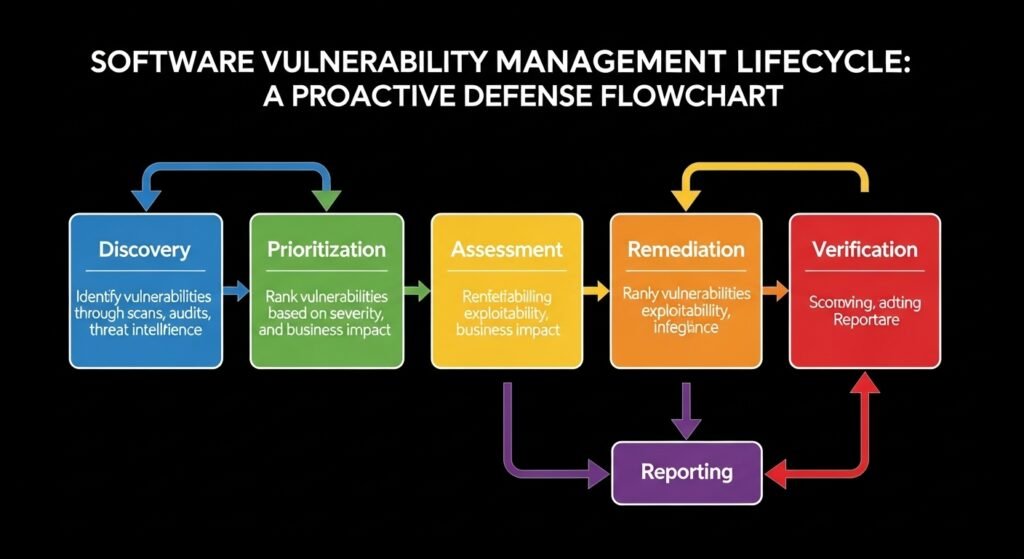
The day-to-day life of a corporate software inspector is busy. They have their hands in a lot of different pots to keep the business running smooth.
Software License Auditing
This is one of the most important parts of the job. Software companies love to audit their customers to find unpaid fees.
- Contract Verification: They read the boring legal papers to make sure the company is following the rules.
- Usage Monitoring: They track how many people are logged in to make sure you aren’t over your limit.
Security Assessments and Vulnerability Management
A corporate software inspector spends a lot of time thinking like a hacker. They want to find every possible way someone could break in.
- Vulnerability Scanning: They run special tools that hunt for bugs and weaknesses in your programs.
- Penetration Testing Reviews: They look at the results from “good hackers” to see what needs to be fixed right away.
- Security Policy Alignment: They make sure every new app meets the company’s strict safety standards.
Vendor and Third-Party Risk Management (TPRM)
You don’t just use your own software. You use stuff from other companies too. If they have a problem, you have a problem.
- Provider Assessment: They check out the companies you buy from to make sure they are legit and safe.
- Open-Source Inspection: They look at free software code to make sure it doesn’t have hidden “backdoors” or legal traps.
Process Auditing and Quality Assurance
How you install and update software matters a lot. If you do it wrong, everything could crash at once.
- Deployment Review: They watch how new apps are put onto company computers to prevent errors.
- Patch Management: They make sure everyone gets the latest security updates as soon as they come out.
Data Privacy and Integrity Checks
Data is the new gold. A corporate software inspector makes sure no one is stealing yours or mishandling it.
- Collection and Storage: They look at where your data lives and who can see it to keep it safe.
- Security Logs: They check the digital “footprints” to see if anyone has been snooping where they shouldn’t be.
Policy and Documentation Governance
You need a playbook if you want to win. The inspector helps write the rules for how the company handles tech.
- Internal Standards: They help the big bosses decide which apps are okay to buy and which ones are too risky.
- Manuals and Reporting: They keep all the records and guides up to date so anyone can understand the system.
Essential Skills and Qualifications
Not just anyone can be a corporate software inspector. You need a mix of tech skills and “people skills” to get the job done right.
Technical and Cybersecurity Proficiency
You have to know how apps are built to inspect them. It’s like being a mechanic for code.
- Architecture Knowledge: You need to understand how cloud apps and computer networks talk to each other.
- Security Tools: You must be a pro at using scanners and risk management tools.
Analytical and Legal Acumen
This job involves a lot of reading and searching through data. You have to be a bit of a detective.
- Regulatory Awareness: You need to stay on top of all the crazy new laws coming out about tech.
- Data Interpretation: You have to look at giant lists of info and find the one mistake that could cause a problem.
Soft Skills and Leadership
Since you have to talk to both tech geeks and business suits, communication is key.
- Complex Communication: You have to explain a scary tech bug in a way that doesn’t freak out the boss.
- Attention to Detail: You cannot be lazy. Even a tiny mistake in a license can cost millions.
- Project Management: You have to stay organized when you are checking hundreds of different apps at once.
Professional Certifications
Most top-tier pros have some fancy letters after their name. These prove they really know their stuff.
- CISA: This shows you are a master at auditing computer systems.
- CISM: This proves you know how to manage security for a big company.
- CRISC: This means you are an expert at identifying and stopping risks.
The Impact of Effective Software Inspection

When a company hires a corporate software inspector, things just run better. It’s like having an insurance policy that actually stops accidents from happening.
Risk and Fine Reduction
The biggest win is not getting in trouble. Fines from the government can be high enough to put a company out of business.
- Cost Avoidance: You save money by not having to pay for legal mistakes or fines.
- Audit Readiness: When a software company comes to check your licenses, you can just smile and hand them the reports.
Enhanced Security Posture
A company with an inspector is a much harder target for hackers. They usually move on to an easier victim.
- Hardening Systems: Every app you use becomes stronger and more secure over time.
- Trust Building: Customers feel way better giving you their info when they know you have a pro watching over it.
Strategic Financial Gains
It’s not just about avoiding fines. It’s also about making the company smarter with its money.
- IT Expenditure Optimization: You stop wasting money on apps that no one uses or that do the same thing.
- Resource Allocation: You can take the money you saved and spend it on cool new stuff to help the business grow.
Challenges and Hurdles in the Role
Even though it’s a great job, being a corporate software inspector isn’t always easy. People can be difficult, and technology moves fast.
External Pressures
The world outside the company is always changing. It can feel like a race that never ends.
- Rapidly Changing Regulations: Just when you learn one law, the government passes three more.
- The Pace of Innovation: New things like AI and the Metaverse show up every day, and you have to learn them fast.
Internal and Operational Obstacles
Sometimes the biggest problems are inside the building. Not everyone loves having their work inspected.
- Team Resistance: Some workers think the inspector is just there to get them in trouble or slow them down.
- Resource Constraints: Not every boss wants to spend money on an inspector, so you might have to do a lot with a little.
- Global Complexity: If the company is in different countries, you have to follow different rules for each one.
The Future of IT Governance and the Inspector Role
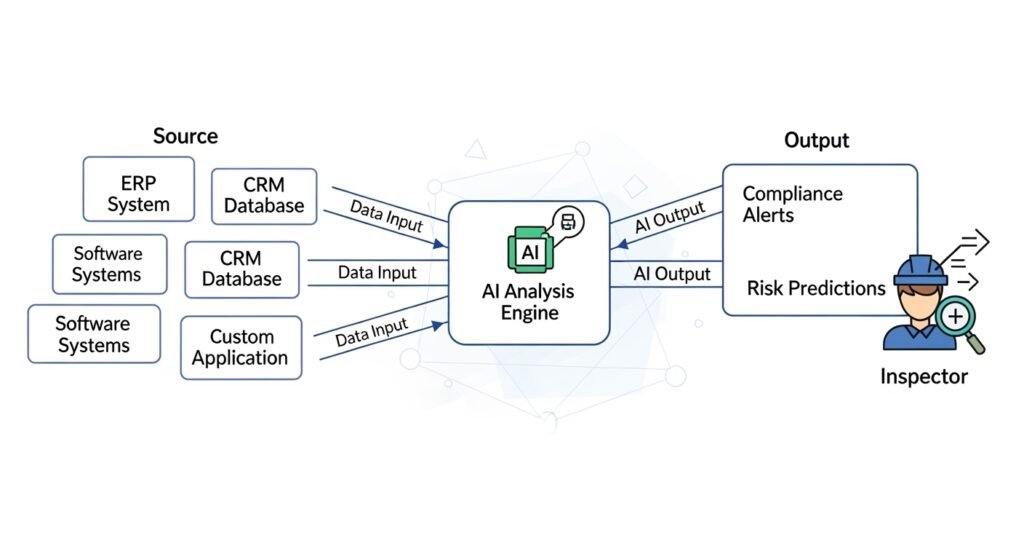
The role of the corporate software inspector is only going to get bigger. As we use more tech, we need more people to keep it honest.
AI and Automation in Inspection
Inspectors will soon have their own AI helpers. This will make the job a lot faster.
- AI-Powered Audits: Bots will be able to scan millions of lines of code in seconds to find errors.
- Augmented Inspections: Inspectors will get real-time alerts on their phones if an app starts acting weird.
Sustainability and Ethical Technology
Tech is now a big part of being a “green” company. The inspector will help with that too.
- ESG Integration: They will make sure the company’s tech doesn’t waste energy or hurt the environment.
- Responsible Software Practices: They will watch over AI to make sure it is being fair and helpful to everyone.
The Inspector as a Strategic Advisor
In the future, the inspector won’t just be checking boxes. They will be sitting at the big table with the CEO.
- Beyond Compliance: They will help decide which new technologies are worth the risk for the company.
- Business Resilience: They will be the ones who make sure the company can survive any tech disaster.
Conclusion: Building a Resilient Digital Backbone
Hiring a corporate software inspector is a smart move for any company that wants to stay around for a long time. They are the bridge between the messy world of code and the serious world of business rules. By watching over your apps, they keep your money safe, your data private, and your reputation clean. Don’t wait for a hack or a lawsuit to realize you need one. Start thinking about your software health today and build a business that is ready for anything the digital future throws at it.
Frequently Asked Questions
What are the standard educational requirements for this role?
Most people in this field start with a bachelor’s degree in computer science or information technology. Some also study business administration to understand the corporate side of things. High-level positions might even require a master’s degree in cybersecurity or data law.
How does this role differ from a Quality Assurance tester?
A QA tester focuses on whether the software works without crashing or having bugs. A corporate software inspector looks at the bigger picture like legal rights and safety rules. One cares about the user experience while the other cares about company risk.
Do small startups really need a dedicated inspector?
While a tiny startup might not hire a full-time person, they still need the function. Usually, a founder or a lead dev takes on these tasks. As the company grows and gets more data, a dedicated pro becomes a must-have.
What is the average salary for a corporate software inspector in the USA?
Salaries can vary depending on where you live and your experience level. Generally, these pros earn between eighty thousand and one hundred fifty thousand dollars per year. Senior experts at big tech firms can make much more with bonuses.
Can a corporate software inspector work remotely?
Yes, this is a great job for working from home since most work happens on a computer. You can audit systems and check licenses from anywhere with a safe internet connection. Some companies might want you in the office for big strategy meetings.
What are the most common software licensing models they monitor?
They usually track per-user licenses, per-device licenses, and subscription-based models like SaaS. They also watch out for concurrent licenses where multiple people share a single seat. Knowing the difference helps prevent overspending.
How often should a full software inspection be conducted?
Minor checks should happen every month to catch small errors early. A massive, deep-dive inspection usually happens once or twice a year. This ensures the company is ready for any official audits from software vendors.
What is “Shadow IT” and why is it a problem for inspectors?
Shadow IT is when employees download and use apps without telling the tech department. This is a nightmare for a corporate software inspector because they can’t protect what they don’t see. It creates huge security holes and legal risks.
How do they handle software that is reaching “End of Life”?
When a program gets too old, the maker stops sending security updates. The inspector flags these “End of Life” apps as high-risk items. They then help the company find a newer, safer replacement before the old one breaks.
What role does the inspector play during a company merger?
When two companies become one, their tech piles mix together. The inspector has to check all the new software for bugs and legal issues. They make sure the new company isn’t inheriting a bunch of hidden lawsuits or hacks.
Are there specific tools for automated license management?
Yes, there are many tools like Flexera or Snow Software that help track everything. These tools scan the network and make a list of every installed program. The inspector uses this data to find waste and stay legal.
How does an inspector deal with open-source software “copyleft” issues?
Some free software has rules that say if you use it, you have to share your own code too. This can be a huge problem for a company’s secret projects. The inspector checks every piece of open-source code to avoid these legal traps.
What is the relationship between this role and the CTO?
The Chief Technology Officer usually sets the vision, and the inspector makes sure that vision is safe. They report their findings to the CTO so the boss can make smart choices. They are essentially the CTO’s eyes and ears on the ground.
Do inspectors need to know how to write code?
They don’t need to be master programmers, but they should be able to read code. Understanding the logic helps them find security flaws that a simple scanner might miss. It also helps them talk to the dev team more effectively.
How do they manage software used on employee-owned devices?
This is called “Bring Your Own Device” or BYOD. The inspector sets rules for what work apps can be put on personal phones. They use special “container” apps to keep work data separate from personal photos and texts.
What is a “Software Bill of Materials” and why is it used?
A Software Bill of Materials, or SBOM, is like a list of ingredients for a program. The corporate software inspector uses it to see every tiny part used in an app. If a specific ingredient is found to be dangerous, they can find it fast.
Can an inspector help reduce the company’s carbon footprint?
Yes, by finding and removing “zombie” software that runs on servers but does nothing. This reduces the amount of electricity the data center uses. It’s a win for the budget and a win for the planet.
What happens if an inspector finds an intentional rule violation?
If someone is breaking rules on purpose, the inspector reports it to HR or the legal team. They provide the digital evidence needed to show what happened. Their job is to be honest and protect the company, even if it’s awkward.
How does the role change in highly regulated industries like banking?
In banking or healthcare, the rules are much stricter and the fines are much bigger. An inspector in these fields has to be much more careful and do more frequent checks. They often have to deal with government officials directly.
What is the best way to start a career as a corporate software inspector?
Start by getting a solid foundation in IT support or system administration. Learn about cybersecurity and grab a entry-level cert like Security+. From there, focus on auditing and high-level governance to move up.